swastik.boneandjointclinic@gmail.com          +91 9175718457

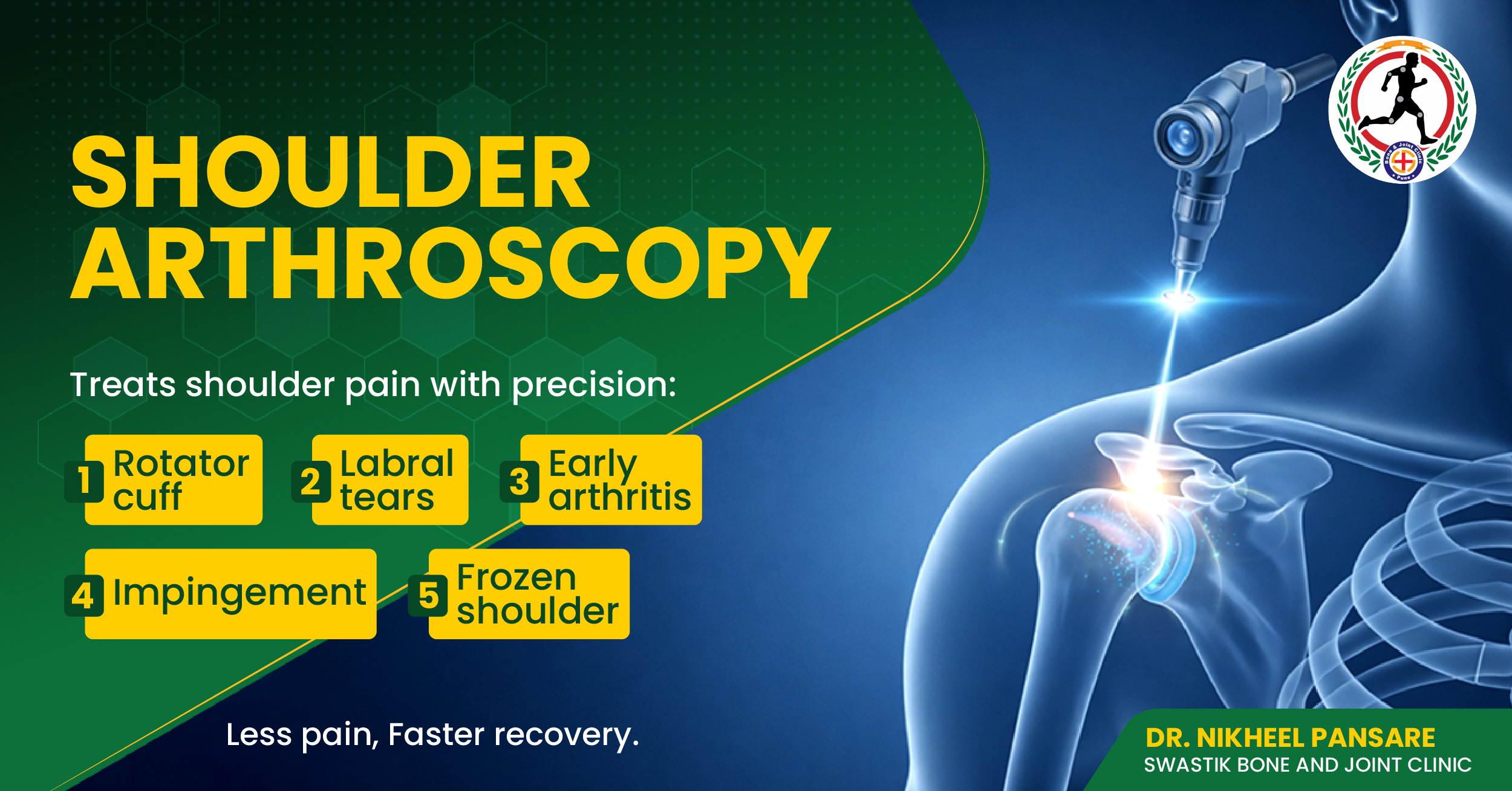
Top 5 Conditions Treated With Shoulder Arthroscopy

Shoulder pain can quietly interfere with everyday life, from getting dressed to sleeping comfortably at night. In many cases, the problem is not just muscle strain but an underlying joint issue that needs precise evaluation and treatment. With advancements in minimally invasive techniques, shoulder arthroscopy has become a preferred option for diagnosing and treating a wide range of shoulder conditions. It allows surgeons to address complex joint problems through small incisions, leading to less pain, quicker recovery, and better functional outcomes. In this blog, we break down the top five conditions commonly treated with shoulder arthroscopy, helping patients understand when this approach is useful and what benefits it offers.
Why Shoulder Arthroscopy Has Become the Standard of Care

Unlike traditional open surgery, shoulder arthroscopy uses a small camera inserted into the joint, giving a clear, magnified view of internal structures. This accuracy allows targeted treatment while preserving healthy tissue. Patients who consult a Shoulder Arthroscopic Surgeon in Viman Nagar often prefer this approach because it combines effective treatment with faster rehabilitation and minimal scarring.

Condition 1: Rotator Cuff Tears

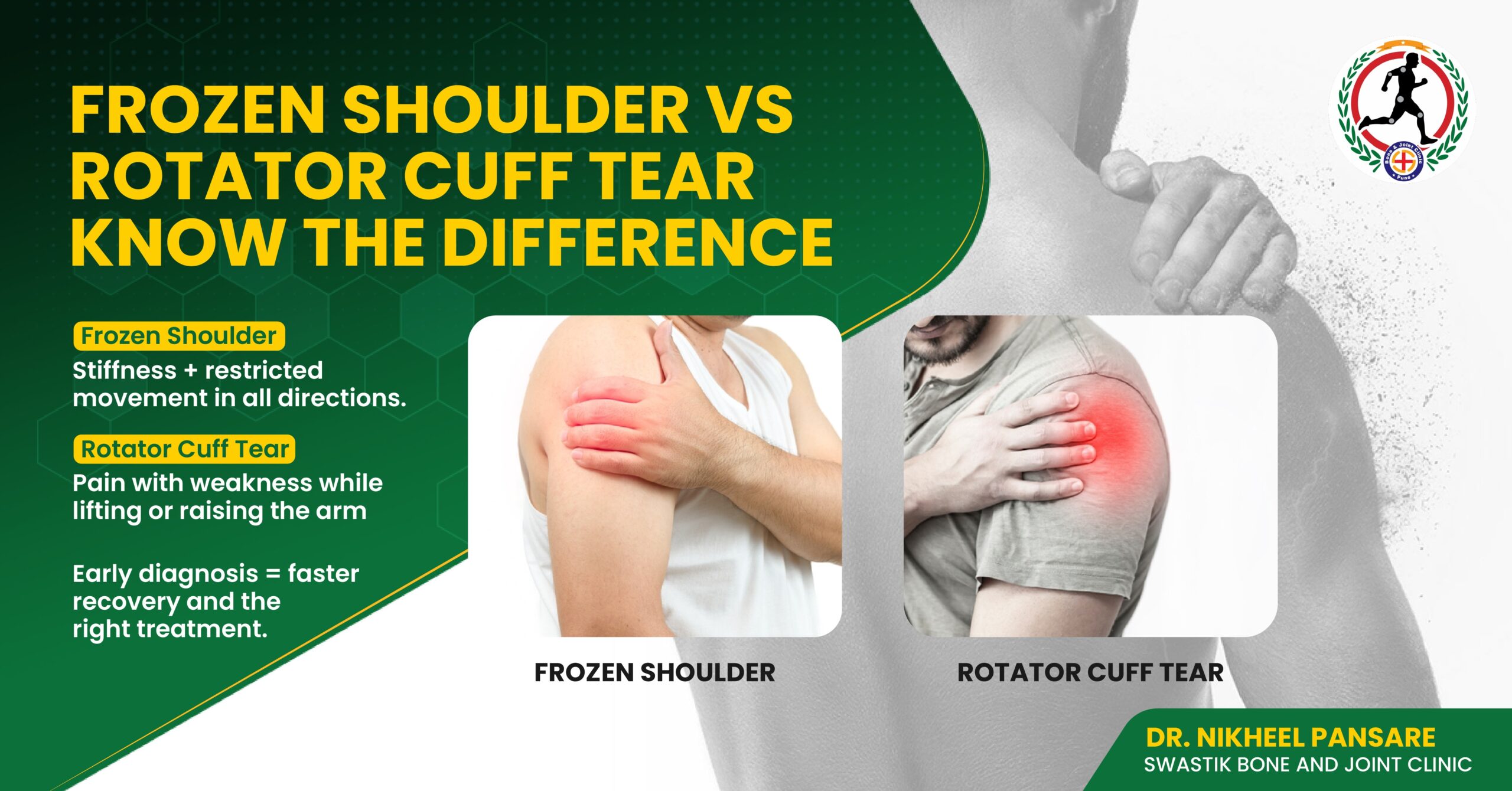
The rotator cuff is a group of muscles and tendons that stabilize the shoulder and enable lifting and rotation. Tears can occur due to injury, repetitive overhead movements, or age-related degeneration. Symptoms include pain while lifting the arm, weakness, and night discomfort. Shoulder arthroscopy allows precise repair of torn tendons using specialized instruments. Because surrounding tissues remain largely undisturbed, recovery tends to be smoother. Many patients seek help from an experienced arthroscopy surgeon in Viman Nagar when physiotherapy and medications no longer provide relief.

Condition 2: Shoulder Impingement Syndrome

Shoulder impingement occurs when soft tissues like tendons or bursae get compressed between bones during arm movement. This often causes pain while reaching overhead or behind the back. Prolonged impingement can lead to tendon damage if ignored. Arthroscopy helps by removing inflamed tissue or reshaping bone structures that cause narrowing within the joint. Early intervention under the care of a Best arthroscopy surgeon in Viman Nagar can prevent progression to more severe shoulder damage.

Condition 3: Labral Tears and Shoulder Instability

The labrum is a ring of cartilage that deepens the shoulder socket, providing stability. Injuries from falls, sports, or repeated dislocations can tear the labrum, leading to a feeling of looseness or slipping in the shoulder. Arthroscopic labral repair restores stability by reattaching the damaged cartilage using anchors. This minimally invasive approach is particularly beneficial for athletes and physically active individuals and is often evaluated by an orthopedic doctor in Viman Nagar when shoulder dislocations become recurrent.

Condition 4: Frozen Shoulder (Adhesive Capsulitis)

Frozen shoulder is characterized by severe stiffness and pain that progressively restrict shoulder movement. While many cases improve with time and physiotherapy, some individuals do not respond to conservative care. In resistant cases, arthroscopy allows controlled release of tight joint capsule structures, restoring movement without extensive surgery. Patients struggling with prolonged stiffness often turn to a best orthopedic doctor viman nagar to assess whether arthroscopic intervention is necessary.

Condition 5: Shoulder Arthritis and Cartilage Damage

Early-stage arthritis or localized cartilage damage can cause persistent pain and reduced function. Arthroscopy plays a valuable role in such cases by smoothing damaged cartilage, removing loose fragments, and reducing inflammation. Although not suitable for advanced arthritis, arthroscopy can significantly delay the need for joint replacement when done at the right stage. This makes it a valuable joint-preserving option for selected patients.

Benefits of Treating These Conditions Arthroscopically

Across these five conditions, shoulder arthroscopy offers consistent advantages. Smaller incisions mean less pain, reduced infection risk, and quicker mobilization. Patients often resume daily activities faster compared to open surgery. Most importantly, precise treatment improves shoulder mechanics and long-term joint health.

 Recovery and Rehabilitation After Shoulder Arthroscopy

Rehabilitation plays a critical role in outcomes. Early guided movement helps prevent stiffness, while structured physiotherapy restores strength and coordination. Recovery timelines vary depending on the condition treated, but most patients notice steady improvement in function within weeks.

When to Seek Professional Evaluation

Persistent shoulder pain, repeated dislocations, stiffness, or weakness should never be ignored. Early assessment can identify whether arthroscopy is suitable or if conservative care is still effective. Proper diagnosis ensures timely treatment and prevents long-term joint damage.

Our Approach at Swastik Bone & Joint Clinic

At Swastik Bone & Joint Clinic, we focus on careful diagnosis, clear communication, and individualized treatment planning. We believe patients should fully understand their shoulder condition and available options before deciding on surgery. Advanced arthroscopic techniques are used only when they truly offer the best outcome. Treatment planning and surgical expertise are guided by Dr. Nikheel Pansare, ensuring evidence-based and patient-centered care.

Comprehensive Shoulder Care Beyond Surgery

Our care does not stop in the operating room. We emphasize recovery planning, physiotherapy coordination, and long-term shoulder health education. By combining modern arthroscopic techniques with compassionate follow-up, we aim to help patients regain strength, confidence, and pain-free movement. Shoulder arthroscopy has transformed how many shoulder conditions are treated today. When applied at the right time and for the right condition, it offers a reliable path back to comfortable and functional shoulder movement, helping patients return to active living with confidence.